What to Look for in a Home that Will Grow in Value
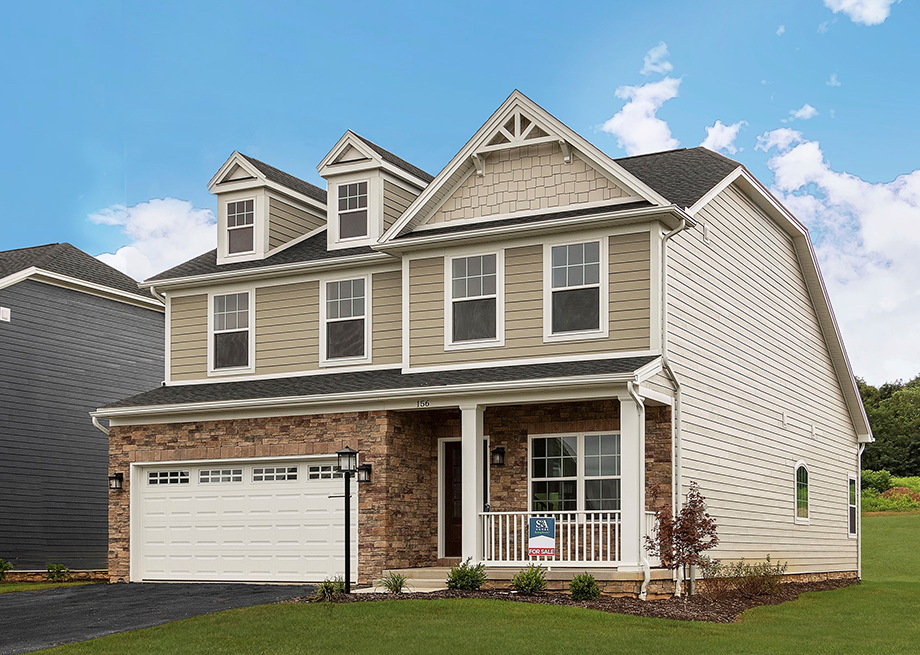
Buying a new home is exciting, but it is also a major financial decision. Beyond finding a place you love, you want a home that holds its value and appreciates over time. Fortunately, knowing how to find a home that appreciates in value. It comes down to a handful of factors you can research before you buy.
Let’s discuss the three big drivers of home value: location and community, the home itself, and the market and builder behind it. By the end, you will have a practical checklist to judge any home’s potential. You will also see why new construction gives you a real edge on all three fronts.
Start With Location and Community
You can renovate a kitchen, but you cannot move your house. That is why location is the most important consideration when looking for a home with long-term value. When you buy in an area with strong fundamentals, your home benefits from demand you did not have to create.
School districts
Even if you do not have children, school quality affects your home’s value. Homes in top-rated districts sell faster and hold value better because they appeal to a large, steady pool of buyers.
- Check district ratings and test scores on public report cards and rating sites.
- Look at funding and enrollment trends. Growing, well-funded districts are a strong sign.
- Watch for new schools in the pipeline, which often signals community investment.
Nearby amenities
Convenience sells. Buyers pay more for homes that put daily needs within easy reach, and that appeal widens your pool of future buyers.
- Grocery stores and everyday retail within a short drive.
- Healthcare access, including clinics and hospitals.
- Parks, trails, and green space for recreation.
- Dining and entertainment that make an area feel vibrant.
- Commuter routes and transit that shorten the trip to work.
A common mistake to avoid is chasing a low price in an isolated spot. If it takes 40 minutes to reach basic services, future buyers may hesitate, and that limits your resale value.
Neighborhood momentum
A neighborhood on the way up can lift your home’s value with little effort on your part. When looking for a home that will hold or increase its value, look for ongoing new construction, fresh commercial development, and steady price growth over recent years. These signs point to an area attracting investment and new residents.
New home communities are often built in exactly these emerging areas. Builders research growth patterns and develop where demand is heading, so you get a front-row seat to the upside.
Look Closely at the Home Itself
Location sets the stage, but the home itself carries real weight when it comes to long-term value. The layout, systems, and finishes inside your walls can make the difference between a home that keeps pace and one that pulls ahead. This is where new construction shines, because builders design around what buyers actually want today.
Smart floor plans
A functional layout is one of the most underrated value drivers.
- Open living spaces that feel larger and suit how families gather.
- Flexible rooms that can become an office, gym, or nursery as needs change.
- Good flow and storage, including walk-in closets, pantries, and garage space.
Energy efficiency
Efficiency is no longer a nice extra when choosing a home with strong resale value. Buyers search for it because it lowers monthly costs, which makes a home more affordable to own.
- Modern insulation and sealing that keep temperatures steady.
- High-efficiency HVAC systems that cost less to run.
- Energy-rated windows and doors that cut drafts and noise.
- Solar-ready wiring in many new communities.
Build quality and finishes
The bones of a home affect both your experience and your resale value.
- Current building codes and modern plumbing, wiring, and roofing reduce costly surprises.
- Structural and system warranties protect your investment early on.
- Durable, timeless finishes like quartz countertops, hard surface flooring, and neutral palettes that appeal to a wide audience.
Smart home technology
Homes wired for modern tech feel current and convenient. Smart thermostats, video doorbells, smart locks, and strong connectivity are now expected. New construction often includes this infrastructure from the start, so buyers avoid the hassle of retrofitting later.
With a new build, you skip the hidden problems that come with older homes and get features tomorrow’s buyers already want.

Consider the Market and the Builder
You can buy a great home in a great location and still wonder whether it will increase in value. Two bigger forces often decide the pace of appreciation: the market you buy into and the company building your community.
Read the market
A rising market lifts nearly every home in it. You do not need to time the perfect moment. You just need to spot the signs of a market heading in the right direction.
- Steady job growth that brings new residents.
- Rising population that increases buyer competition.
- Public investment in roads, schools, and transit.
- Healthy price trends over several years.
Understand supply and demand
Home values rise when demand outpaces supply. Watch housing inventory, days on market, and rental demand. Low supply paired with strong demand tends to push prices up. Builders add supply in a planned, measured way, which supports steady growth rather than wild swings.
Choose a trusted builder
The company behind your home matters more than many buyers realize. A strong reputation protects your value over time.
- Consistent quality means fewer problems and stronger resale appeal.
- Reliable warranties reassure future buyers.
- Brand recognition often carries a value premium.
- Long-term presence keeps communities well maintained.
To research a builder, read reviews from current homeowners, tour completed communities to see how they have aged, and ask about warranty coverage and customer service history.
Your Pre-Purchase Checklist
If your goal is to buy a home that will appreciate over time, use this checklist to evaluate the location, home, market, and builder before you commit.
Location and community
- Is it in a strong or improving school district?
- Are groceries, healthcare, and daily needs close by?
- Are parks, trails, and recreation nearby?
- Is the commute reasonable?
- Are new homes and businesses still being built in the area?
The home
- Does the floor plan feel open and flexible?
- Is the home built for energy efficiency?
- Are the major systems new and up to code?
- Do the finishes feel current and durable?
- Is the home ready for smart technology and covered by a warranty?
Market and builder
- Is the local job market and population trending up?
- Is housing demand strong relative to supply?
- Does the builder have a solid reputation and reliable warranties?
If you can check most of these boxes, you are likely looking at a home well positioned to grow in value.
Put It All Together and Buy with Confidence
Strong appreciation comes from three things working together: a great location, a well-built home, and a healthy market backed by a trusted builder. When all three line up, your home is set up to hold and build value for years.
New construction gives you an advantage on every front. Builders develop where growth is happening, design homes around what today’s buyers want, and plan communities to stay desirable over time.
If you are ready to invest in a home built for long-term value, S&A Homes is a great place to start. With a strong reputation across Central and South-Central Pennsylvania, S&A Homes offers a range of designs built around what today’s buyers want, including quick move-in homes and build on your land opportunities. Call 1-814-501-4996 or visit SAHomeBuilder.com to explore your options.
Back to Blog